
Sweet Potato Drying Machine
Sweet Potato Drying Machine
This plant is a perennial herbaceous vine with alternate heart-shaped or palmately lobed leaves and medium-sized, sympetalous flowers. The edible tuberous roots are long and tapered, with smooth skin in colors ranging from yellow, orange, red, brown, purple, to beige. Its flesh color varies from beige or white to red, pink, purple, yellow, orange, and violet. Varieties with white or pale yellow flesh tend to be less sweet and moist than those with red, pink, or orange flesh.
Sweet potato is native to the tropical regions of the Americas. Among the approximately 50 genera and over 1,000 species in the Convolvulaceae family, the sweet potato is the only crop of significant importance. A few other plants see local use (e.g., water spinach), but many are toxic. The genus Ipomoea, which includes the sweet potato, also encompasses several garden flowers known as morning glories, though this term is not typically extended to Ipomoea batatas itself. Some Ipomoea cultivars are grown as ornamental plants called "tuberous morning glories" in horticulture.
Sweet potato, also known as "shanyu," "digua," or "gan shu" in Chinese, is rich in protein, starch, pectin, cellulose, amino acids, vitamins, and various minerals. It enjoys the reputation of a "longevity food," with a sugar content of 15-20%. It has health benefits including anti-cancer properties, heart protection, prevention of emphysema and diabetes, and weight loss effects. Li Shizhen's Compendium of Materia Medica from the Ming Dynasty records that "sweet potato tonifies deficiency, strengthens the spleen and appetite, and fortifies kidney yin," noting that islanders who consumed it lived long lives. Traditional Chinese Medicine regards sweet potato as a beneficial medicinal food.
Sweet potato is a dicotyledonous plant belonging to the Convolvulaceae or morning glory family. It produces large, starchy, sweet, tuberous roots, making it a root vegetable. Young leaves and shoots are sometimes consumed as greens. While often mistaken for a type of potato (Solanum tuberosum), it does not belong to the nightshade family (Solanaceae). However, both families fall under the same taxonomic order, Solanales. Sweet potatoes, especially orange-fleshed varieties, are commonly called "yams" in parts of North America but are botanically distinct from true yams.
Sweet Potato Drying Process:
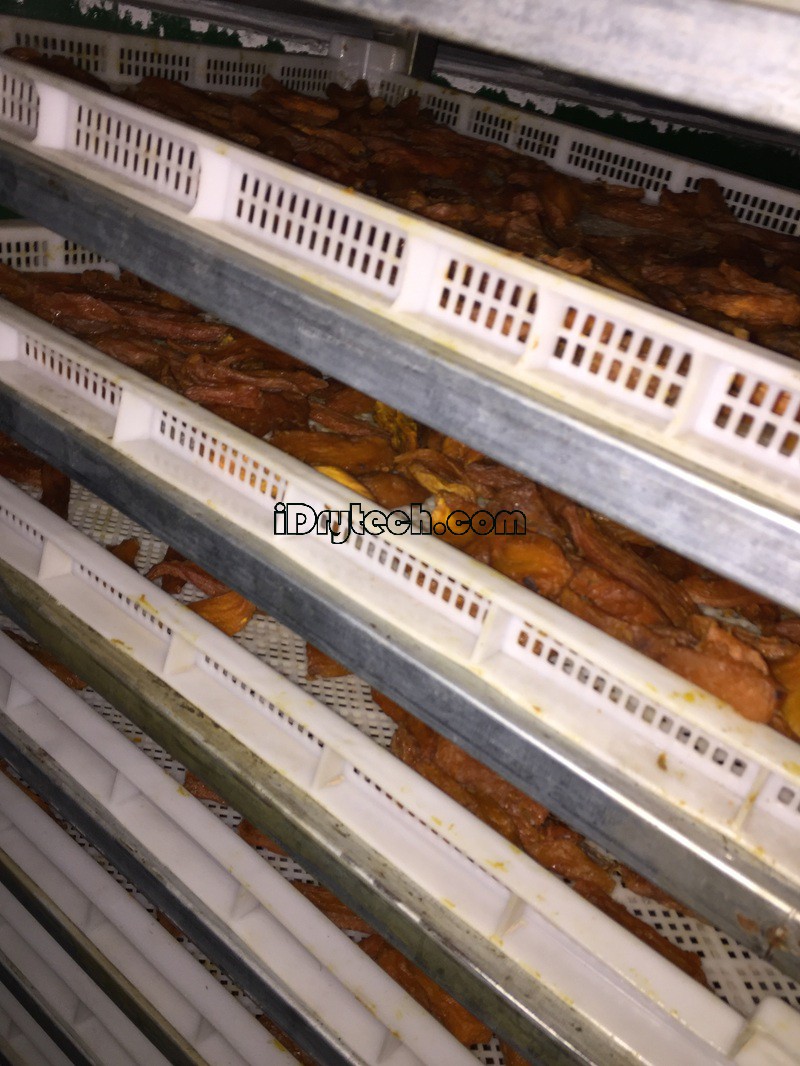
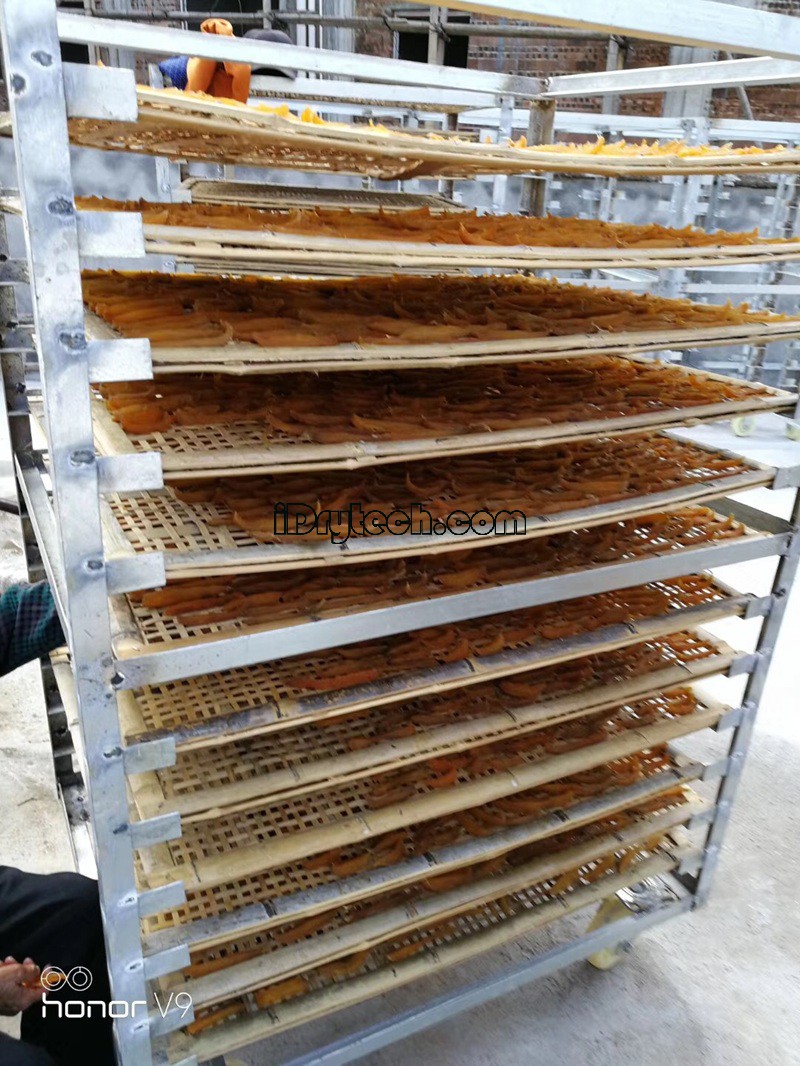
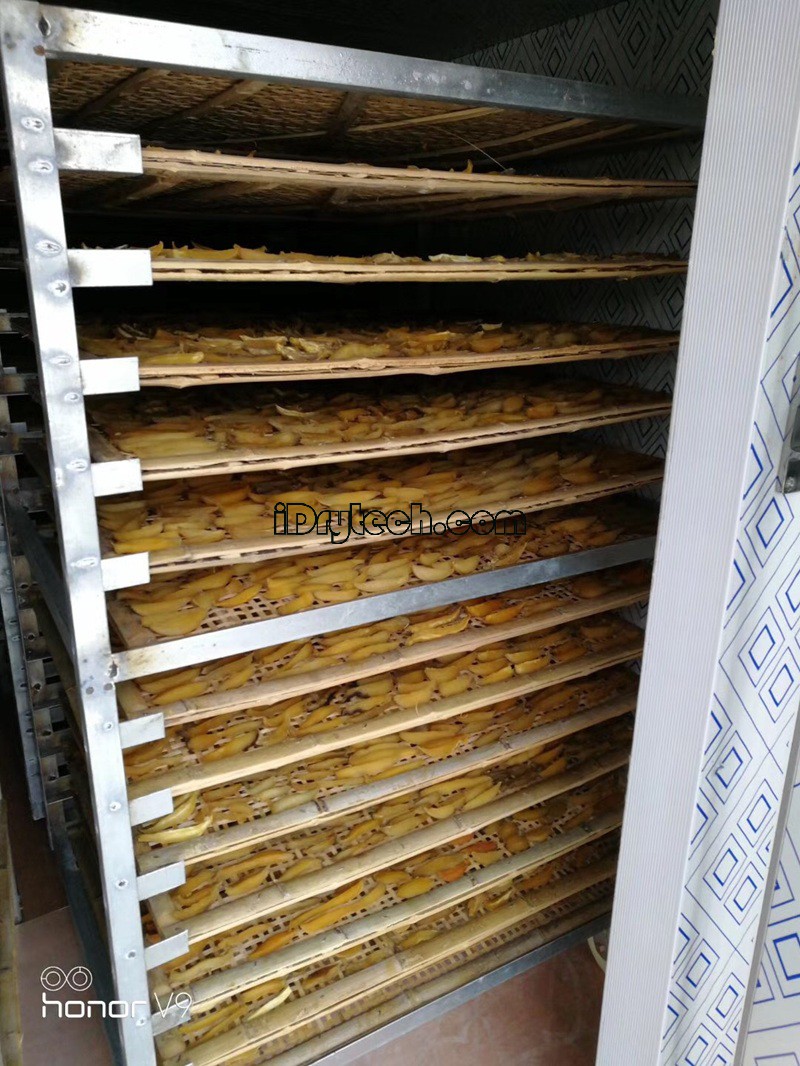
1. Pre-treatment: Wash sweet potatoes thoroughly, then steam them in a boiler. Remove when about 70-80% cooked, allow to cool, and then slice. Slices should be uniform in thickness, ideally around 2 cm. Place the slices evenly and neatly onto drying trays.
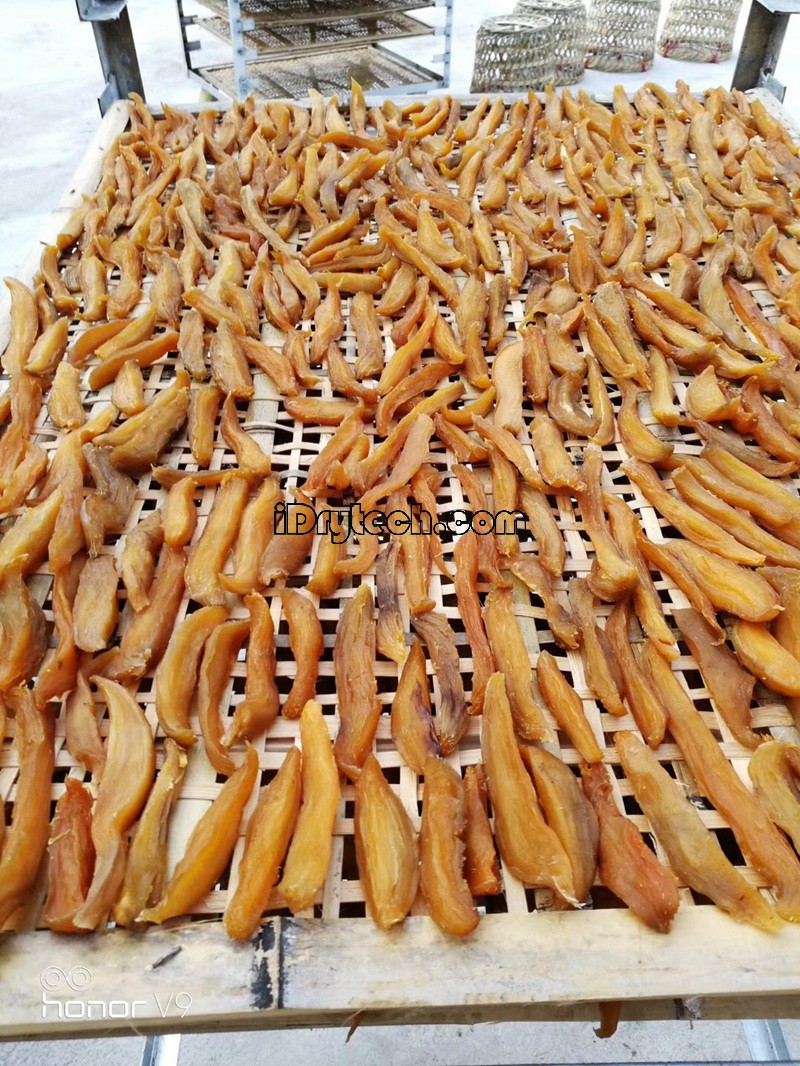
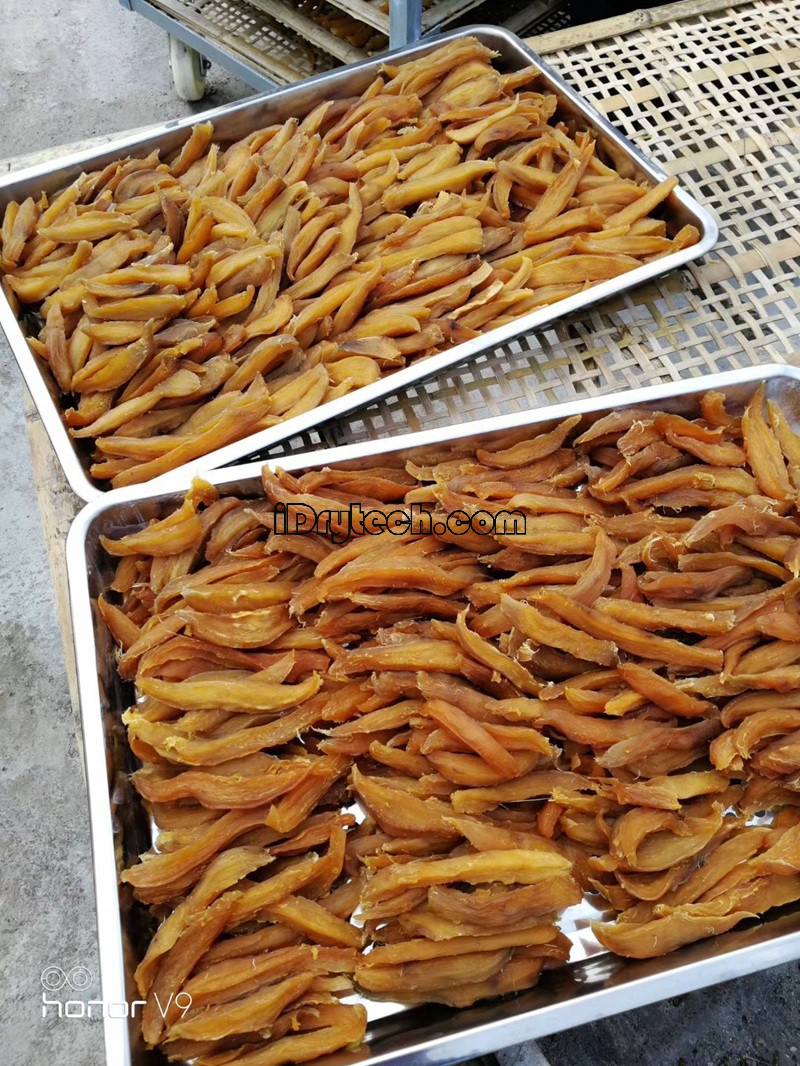
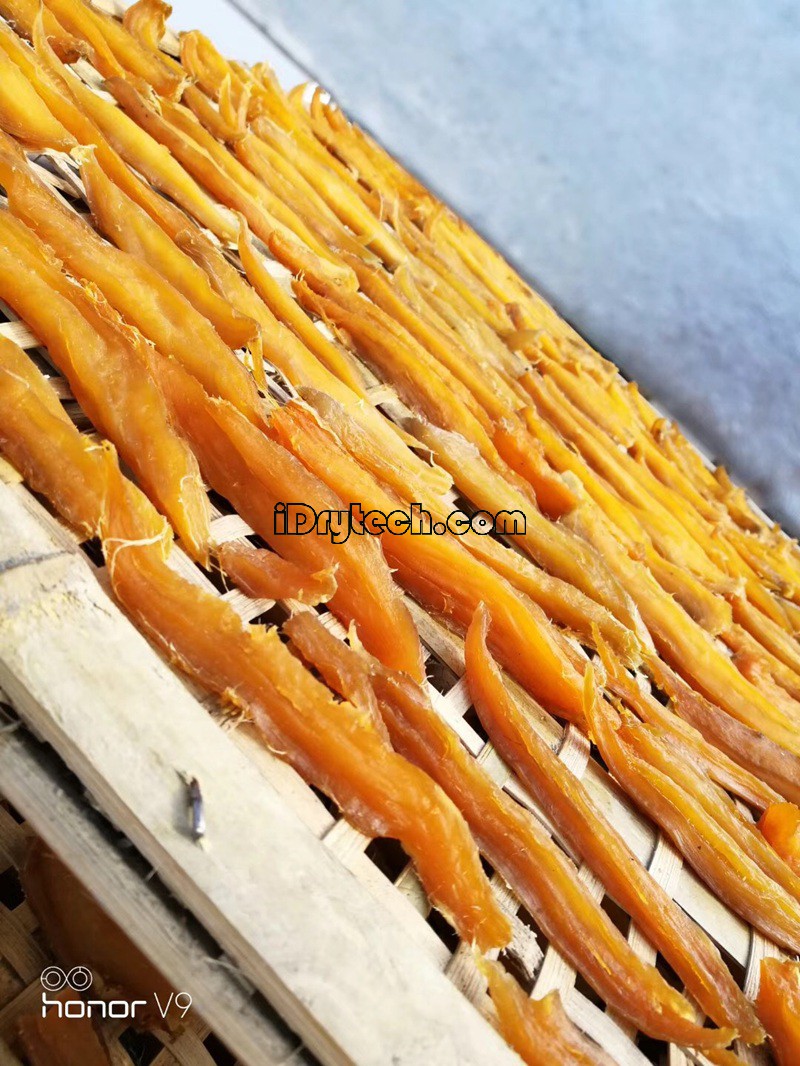
2. Specific Process (High-End Sweet Potato Strips - "Three Steams and Three Dries"): Peel -> Cook -> Cut into strips -> Dry -> Steam -> Dry -> Steam -> Dry. During drying, periodically remove the strips from the drying chamber to allow cooling and sugar crystallization before continuing drying.
Detailed Drying Stages:
1. Stage 1: Start the machine. Load the trolleys with trays into the drying chamber when the temperature reaches 40°C. Set target temperature to 40°C for 2 hours.
2. Stage 2: Set target temperature to 60°C for 2 hours. Perform continuous dehumidification.
3. Stage 3: Increase target temperature to 65°C for 2 hours. Perform continuous dehumidification.
4. Stage 4: Set target temperature to 70°C for 2 hours. Perform continuous dehumidification. Drying is usually complete when the moisture content of the sweet potato slices reaches 16-18%.
5. Cooling: After stopping the machine, allow the sweet potato slices to cool naturally.
Total drying time is typically around 12-14 hours.
6. Packaging: Remove the dried sweet potato slices and pack them into bags. Vacuum packaging is recommended. Packaged slices can be stored in a cool environment or refrigerated.
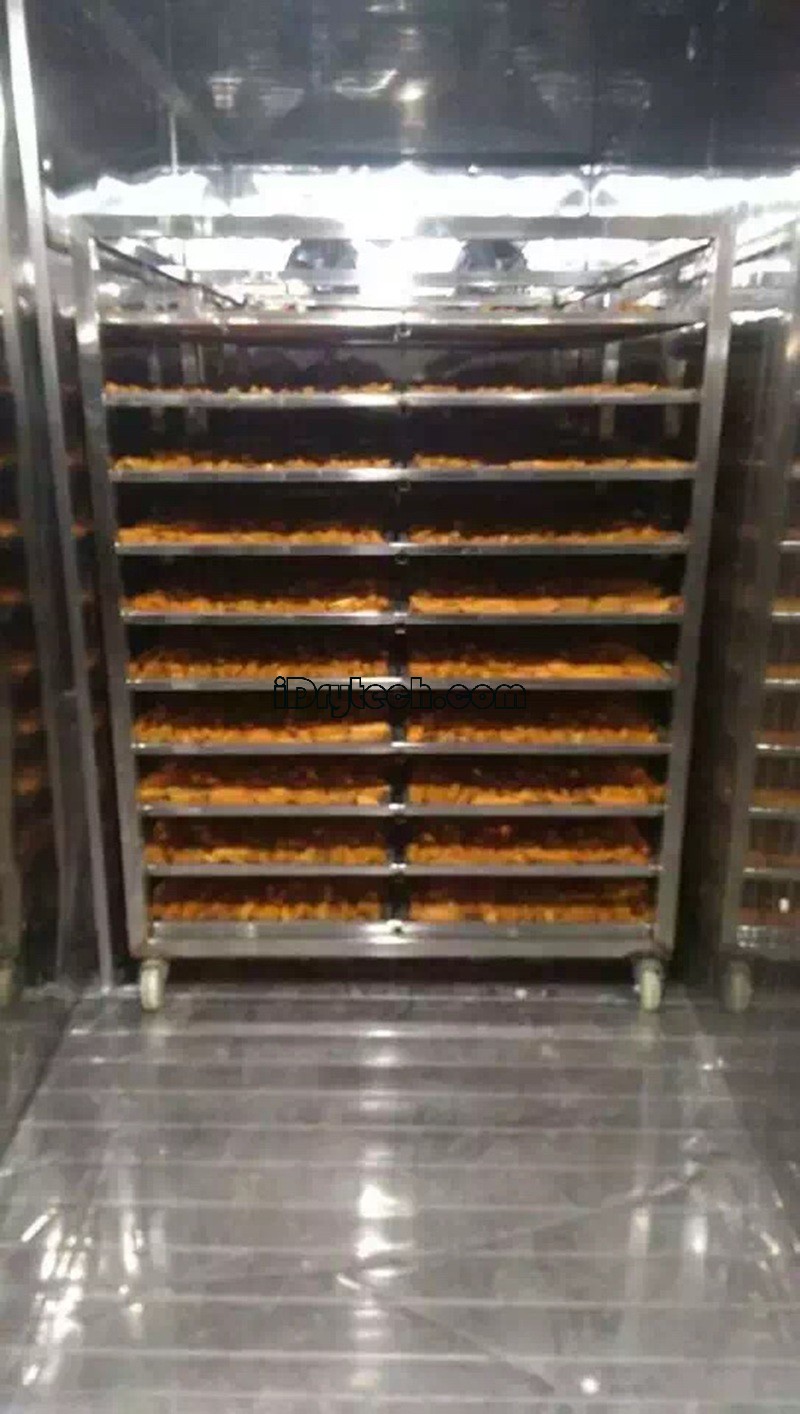
Sweet potato drying techniques vary widely, especially regionally, leading to different drying parameters. The Juetaire Air Source Heat Pump Dryer operates within a 10-75°C range and allows setting up to 10 distinct drying stages. Temperature is adjustable and humidity is controllable during each stage, accommodating diverse process requirements.