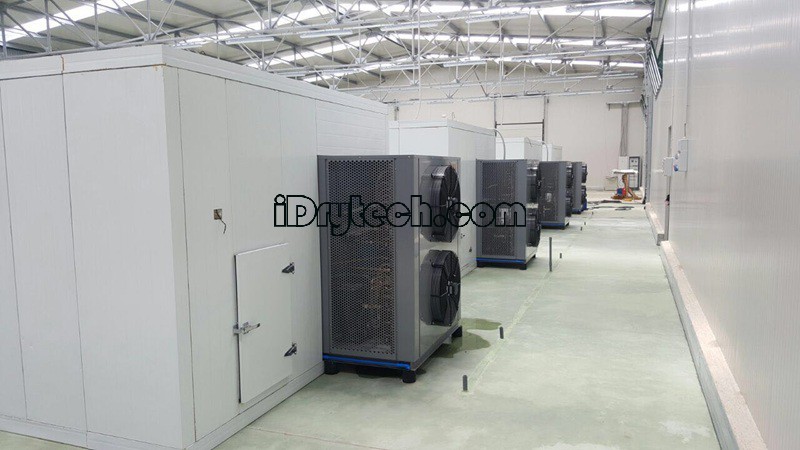

Drying pineapple slices
Pineapple Drying Process
Pineapple is a tropical plant bearing edible fruit, also known as "凤梨" (fènglí), "黄梨" (huánglí), "番梨" (fānlí), "露兜子" (lùdōuzi), or "婆那娑" (pónàsuō). It is the economically most significant plant in the Bromeliaceae family. Pineapples can be propagated from the crown of the fruit and may flower within five to ten months, with fruiting occurring in the following six months. Pineapples do not ripen significantly after harvest. In 2016, Costa Rica, Brazil, and the Philippines accounted for nearly one-third of global pineapple production.
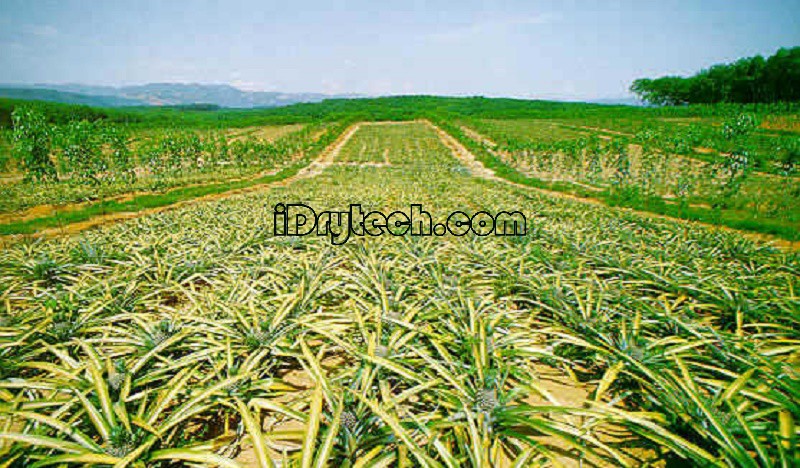
Major pineapple-growing regions in China include Guangdong, Hainan, Guangxi, Taiwan, Fujian, and Yunnan. Native to South America, pineapple was introduced to China from Brazil. Historical records also indicate that Portuguese missionaries first planted pineapple seeds in Macau around the late 18th century. By the 1870s, the United States supplied over 70% of the world's fresh pineapple and pineapple juice. Currently, Thailand is the primary pineapple producer in Asia. China's most famous variety is the Huangdeng pineapple from Guangdong, a new cultivar featuring distinctive characteristics of the Lingnan region. It is known for its thick flesh, large size, honey-like sweetness, and floral fragrance.
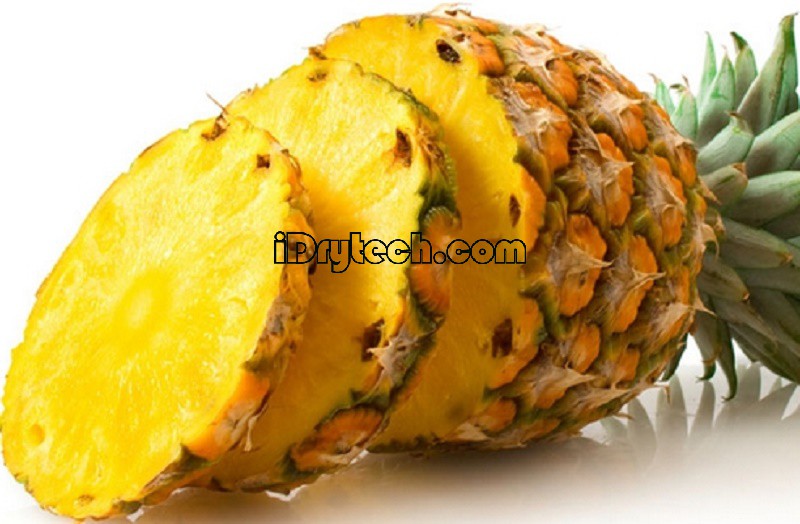
Benefits of Pineapple: Pineapple has a sweet taste and neutral nature. It aids digestion, relieves heat and summer heat, regulates the spleen to stop diarrhea, and quenches stomach heat. It can be used for indigestion, feverishness, and excessive thirst, and as an adjunctive therapy for hypertension-related dizziness and limb weakness. The sugars, salts, and enzymes in pineapple have a diuretic effect; moderate consumption benefits those with hypertension and nephritis. Furthermore, the enzyme bromelain can dissolve fibrin and blood clots blocking tissues, improve local blood circulation, and reduce inflammation and edema.
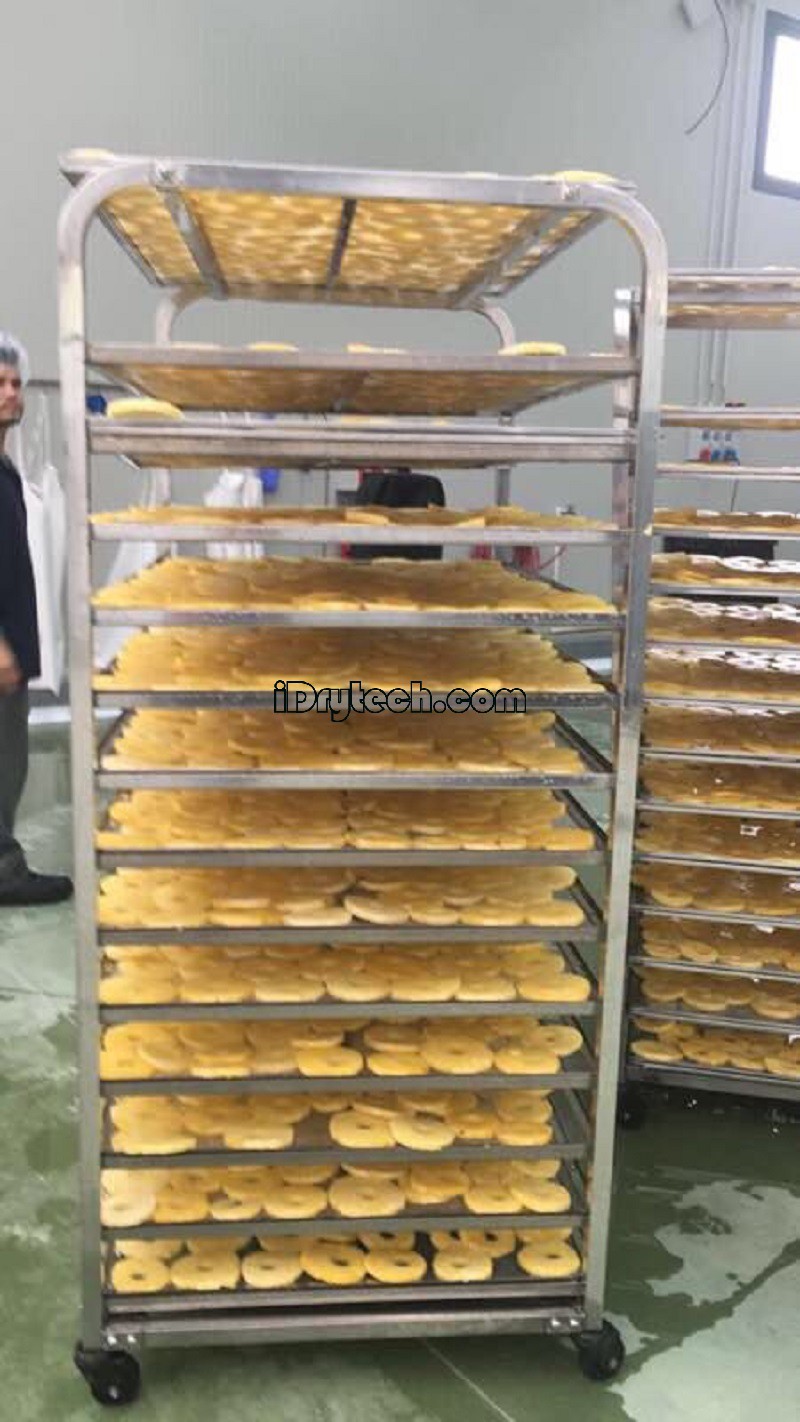
Drying Process:
1. Jue-Tai Air Energy Pineapple Dryer: (Uses a heat pump system)
2. Slicing Process: Pineapples are sliced. Initial slicing can produce round slices or semi-circular slices based on product requirements.
3. Heat Pump Drying: The sliced pineapple pieces undergo drying in the heat pump system. This process can be divided into 5 stages:
Stage 1: Drying, no dehumidification. Duration: 2 hours. Temperature: 55°C. Primary goal: Raise temperature to initiate surface moisture evaporation.
Stage 2: Temperature: 55°C. Continuous dehumidification begins until humidity reaches approximately 50%.
Stage 3: Temperature: 60°C. Continuous dehumidification. Target humidity: 20%.
Stage 4: Temperature: 65°C. Humidity: 20%. Continuous dehumidification.
Stage 5: Temperature: 65°C. Humidity: 14%. Continuous dehumidification for 1 hour. Drying complete.
Total Drying Time: Approximately 18 hours. (Note: Drying time may vary based on product type and specific requirements).
Tip: During dehumidification stages, setting the exhaust fan to operate intermittently can conserve more electricity.
4. Vacuum Packaging: Packaging should be done promptly after drying to prevent moisture re-absorption. This is especially critical during the rainy season when high ambient humidity significantly affects dried products.