

Drying Mango slices
Mango Drying Process
Selection of Raw Materials → Processing (Cleaning, Peeling, Slicing) → Marinating → Tray Placement → Drying → Storage.
1. **Selecting Raw Materials**
Choose mangoes with smooth, dark-colored skin, plump and rounded shapes, and no blemishes. These mangoes generally
have better flesh quality. You can also select mangoes by their aroma: fully ripe mangoes may have an overripe odor, so opt
for those about 80% ripe, as they offer better color, aroma, and flavor.
2. **Processing**
Wash the selected mangoes thoroughly, then peel them. Discard any substandard mangoes during peeling. Slice the qualified
mangoes into even vertical strips. Avoid cutting them too thin, as overly thin slices will lose their texture after drying.
3. **Marinating**
Drain the mango slices and place them in a tray. Add seasonings according to personal preference (e.g., sour plum powder
is recommended for a sweet-and-sour flavor). Marinate for 1 hour to ensure the seasoning fully penetrates each slice.
4. **Tray Placement**
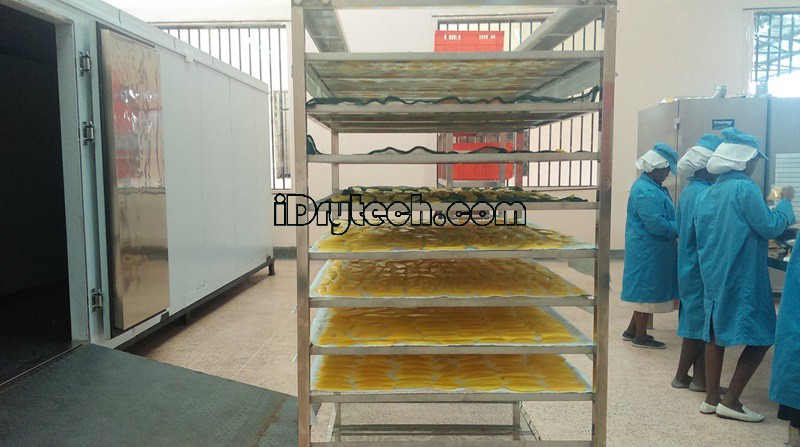
Arrange the marinated mango slices on drying trays in a single layer without overlapping to ensure even drying.
5. **Drying**
Set the dryer to 60°C. Use a Drytech-brand mango dryer, which supports 24-hour continuous operation.
6. **Storage**
Store the dried mango slices in a cool, dry, and dark environment.
**Key Considerations for Selecting a Mango Dryer**
When purchasing drying equipment, keep the following points in mind:
1. **Suitability**
The dryer must be compatible with the specific material (mangoes) and meet basic requirements, including
efficient handling (feeding, conveying, fluidization, dispersion, heat transfer, discharge, etc.), throughput, moisture removal, and product quality.
2. **High Drying Rate**
Convective drying disperses materials in hot air, achieving low critical moisture content and faster drying rates.
Different convective drying methods yield varying critical moisture levels and drying speeds.
3. **Low Energy Consumption**
Energy efficiency varies by drying method. Heat pump dryers reduce energy usage by over 75% compared to conventional methods.
4. **Cost-Effectiveness**
Compare prices of dryers with similar functions and prioritize cost-effective options.
5. **Low Operational Costs**
Minimize expenses such as equipment depreciation, energy consumption, labor, maintenance, and spare parts.
6. **Prioritize Simple Design & Reliability**
Choose dryers with simple structures, readily available spare parts, high reliability, and long service life.
7. **Eco-Friendly & Safe**
Ensure compliance with environmental standards, safe working conditions, and operational safety.
Commercial Mango Slice Drying Guide: How to Dry Mango Slices with DRYTECH Heat Pump Dryers
What Are Dried Mango Slices?
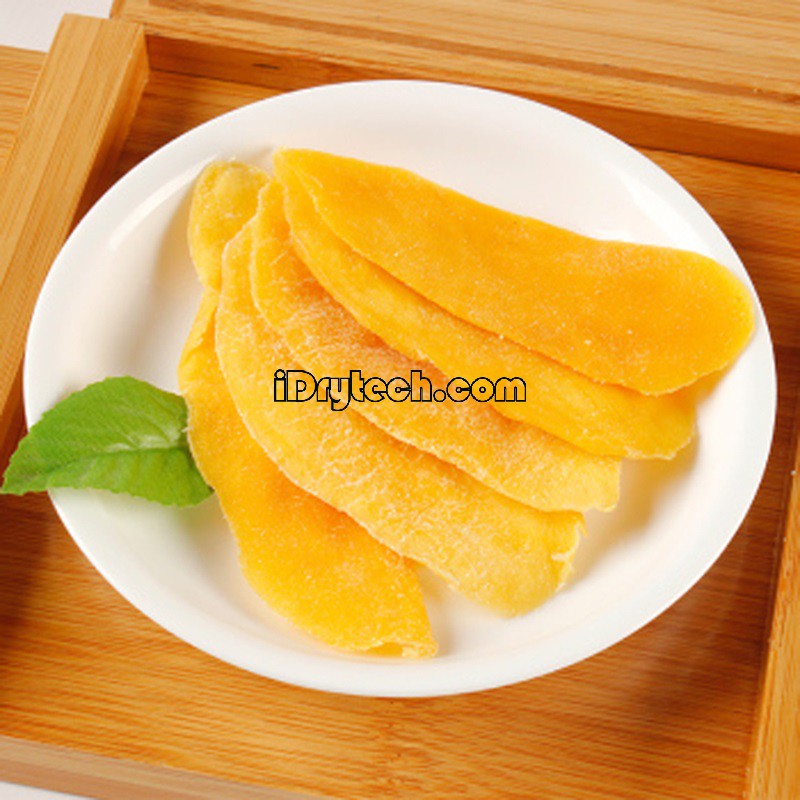
Dried mango slices are a popular snack made by peeling, slicing, and dehydrating ripe mangoes under controlled temperature and humidity conditions. This preservation method retains the fruit's natural sweetness and tropical flavor while delivering a soft, non-sticky texture and extended shelf life.
Dried mango slices serve as both a healthy standalone snack and a versatile ingredient across the food industry. Common applications include:
Fruit salads and trail mixes
Granola bars and breakfast cereals
Bakery products and confectionery
Yogurt toppings and dessert garnishes
How to Dry Mango Slices: A Step-by-Step Process
Using a DRYTECH Heat Pump Dryer, you can achieve consistent, high-quality results for commercial mango processing. Follow these eight steps:
Step 1: Select and Prepare Fresh Mangoes
Choose firm, ripe mangoes that are not overripe—firmer fruit slices more cleanly and maintains structural integrity during drying. Thoroughly wash and peel each mango to remove surface contaminants.
Step 2: Slice Uniformly
Cut mangoes into evenly sized slices or cubes. Consistent thickness (typically 5–8mm) ensures uniform drying and prevents over-drying or moisture retention in thicker pieces.
Optional processing: Soak slices in sugar syrup to produce candied mango, or apply additional treatments for specialized culinary applications.
Step 3: Load the Dryer Trays
Arrange mango slices on the drying trays of your DRYTECH Heat Pump Dryer. Maintain adequate spacing between pieces to promote optimal airflow and prevent sticking.
Step 4: Set Temperature and Humidity
Parameter | Recommended Setting |
Temperature | 55–60°C (130–140°F) |
Humidity | Adjust per customer specification |
Drying Time | 8–14 hours (varies by slice thickness) Thinner slices dry faster; thicker cuts require extended drying cycles. |
Step 5: Initiate the Drying Cycle
Start the dryer. The heat pump technology gently extracts moisture while preserving the mango's vibrant color, natural flavor profile, and nutritional value—including vitamins A and C.
Step 6: Monitor and Rotate
Inspect drying progress periodically. Rotate trays if uneven drying is observed to ensure batch consistency.
Step 7: Test for Dryness
Properly dried mango slices should be:
Firm and leathery to the touch
Completely free of moisture
Non-sticky and non-tacky
Step 8: Package for Storage and Distribution
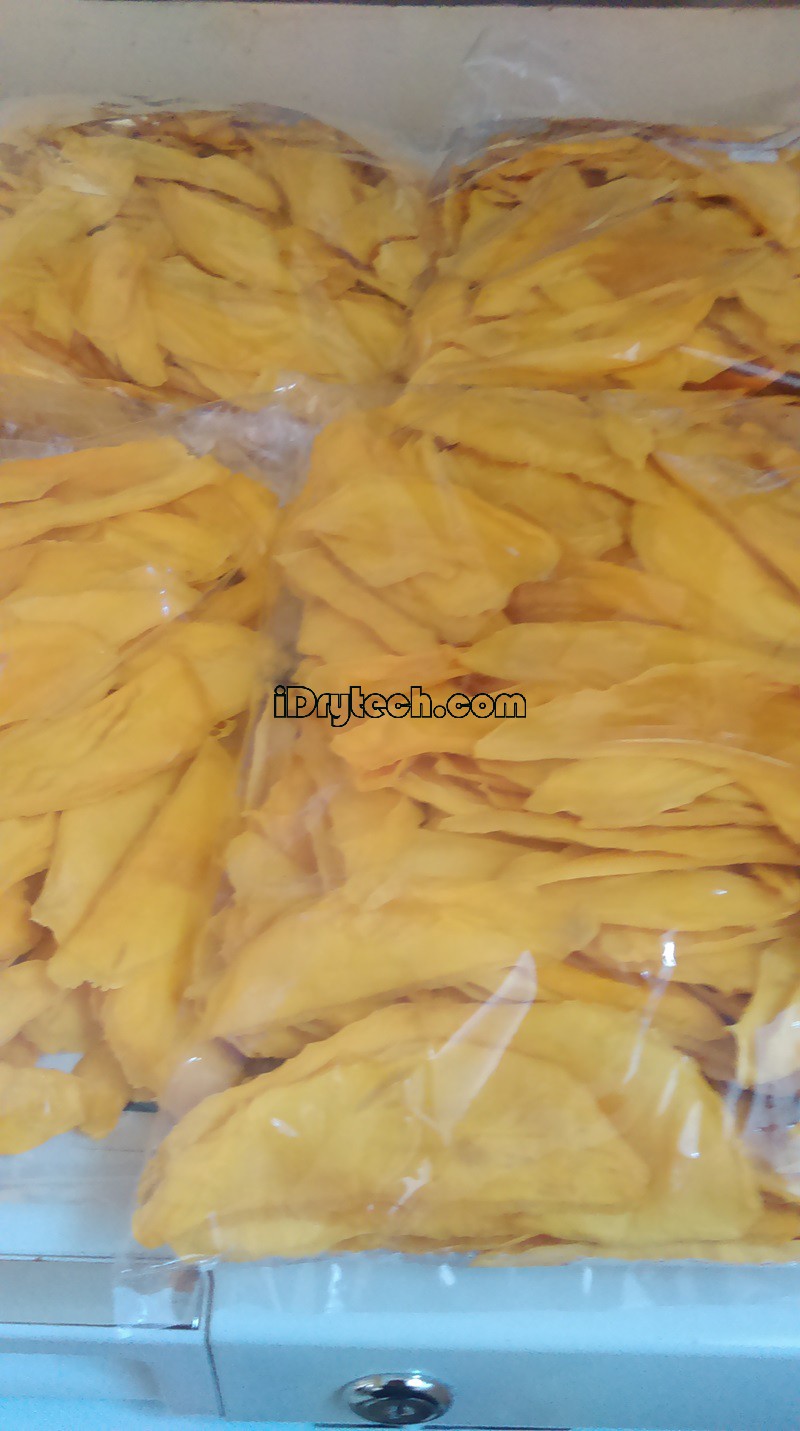
Once fully dried, transfer the mango slices to an automated packaging machine. Seal in airtight, food-grade packaging to protect against moisture, oxidation, and contamination during storage and transportation.
Frequently Asked Questions
Q: What is the ideal temperature for drying mango slices?
A: 55–60°C (130–140°F) preserves flavor and nutrients without case hardening.
Q: How long does it take to dry mango slices commercially?
A: Typically 8–14 hours, depending on slice thickness and initial moisture content.
Q: Can I make candied mango with a DRYTECH dryer?
A: Yes. Pre-soak slices in sugar syrup before loading into the dryer.
Q: What is the shelf life of properly dried mango slices?
A: When sealed in airtight packaging, dried mango can last 6–12 months at room temperature.
Conclusion
The DRYTECH Heat Pump Dryer offers an efficient, reliable solution for commercial-scale mango slice drying. With precise temperature control, energy-efficient heat pump technology, and an integrated processing equipment lineup, DRYTECH helps food processors meet market demand for high-quality dried mango products.