

Drying cricket
Crickets and Their Medicinal Value
Crickets (scientific name: Gryllidae) are common insects belonging to the order Orthoptera and family Gryllidae,
widely distributed across temperate and tropical regions globally. Known for their chirping (produced by males
rubbing their wings together) and aggressive behavior, they often inhabit grass, rock crevices, or soil. Crickets
are not only central to the traditional cultural practice of "cricket fighting" but also hold value in traditional
Chinese medicine (TCM) and modern nutrition.
Medicinal Value of Crickets
1. Traditional Chinese Medicine Applications
In TCM texts, crickets are referred to as “Cù Zhī” or “Qū Qū”, and their dried bodies are used medicinally.
Key therapeutic effects include:
Diuretic and Anti-Edema Effects: Used to treat edema and dysuria, particularly for swelling caused by nephritis
or liver cirrhosis, often combined with other diuretic herbs.
Blood Activation and Stasis Dispersion: Applied for injuries, bruising, and pain, either externally or orally.
Detoxification and Nodule Reduction: Assists in treating sores, abscesses, and lymphatic tuberculosis.
Warming Kidney Yang: Included in some formulations to address kidney deficiency symptoms like soreness
and weakness in the lower back and knees.
Traditional Usage:
Dried crickets are ground into powder or decocted into a broth. Dosage must follow medical guidance (typically 3–5 grams daily).
2. Modern Research Insights
Protein and Nutrition: Crickets are rich in high-quality protein (about 60–70% of dry weight), essential amino acids,
minerals (e.g., iron, zinc), and unsaturated fatty acids, making them a sustainable protein source.
Bioactive Compounds: Studies reveal peptides in crickets that may exhibit antioxidant and anti-inflammatory properties.
Medicinal Potential: Extracts have shown inhibitory effects against certain pathogens (e.g., E. coli) in laboratory settings.
Precautions for Consumption and Medicinal Use
Safety: Wild crickets may carry parasites or pesticide residues; only farmed, processed specimens should be used.
Contraindications: Avoid use during pregnancy, in allergic individuals, or in those with renal impairment (due to diuretic effects).
Regulations: Insect-based products must comply with local food safety standards, as some countries classify them as novel foods.
Cultural and Modern Applications
Culinary Trends: Cricket protein powder, energy bars, and other products are emerging as eco-friendly, nutrient-dense foods.
Ecological Role: Crickets act as decomposers, contributing to organic matter recycling in ecosystems.
Conclusion
Crickets have been used in TCM for centuries to address edema and other conditions. Modern research underscores their nutritional
and medicinal potential, but professional consultation is essential before use. With growing interest in sustainability, crickets may play
an expanded role in food and medicine.
References: Compendium of Medicinal Animals in China, Ben Cao Gang Mu (Compendium of Materia Medica), and modern nutritional studies.
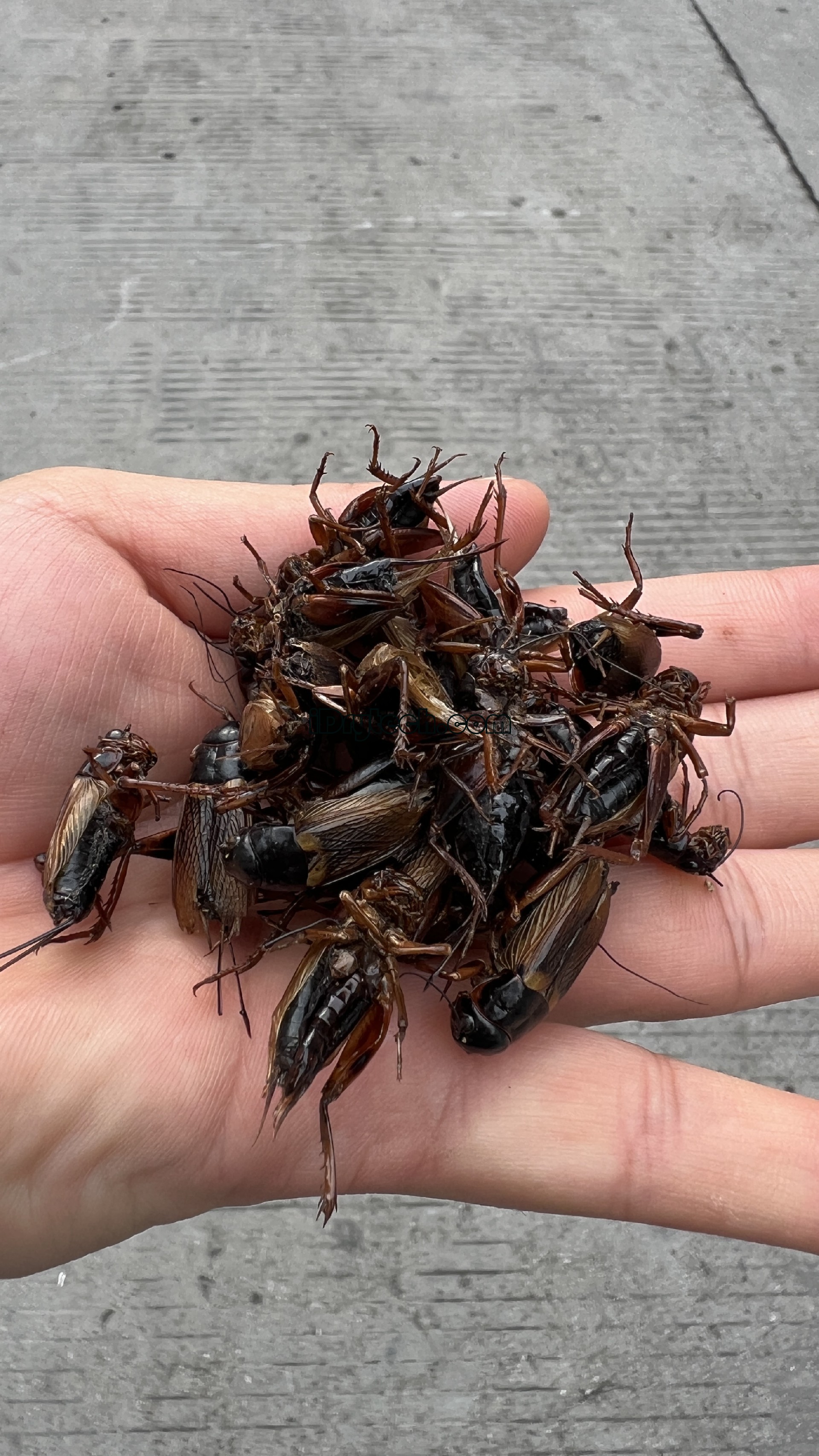
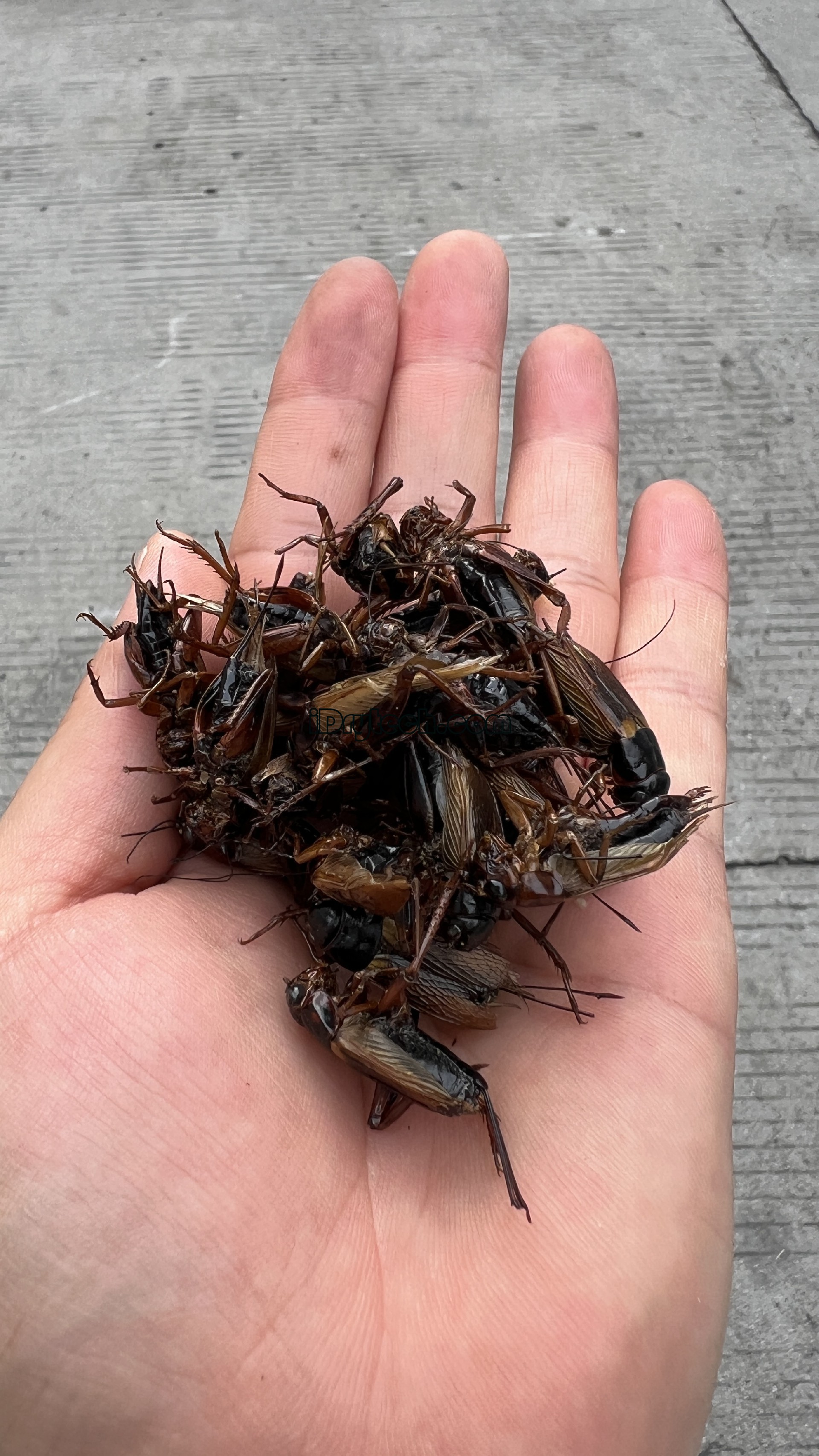
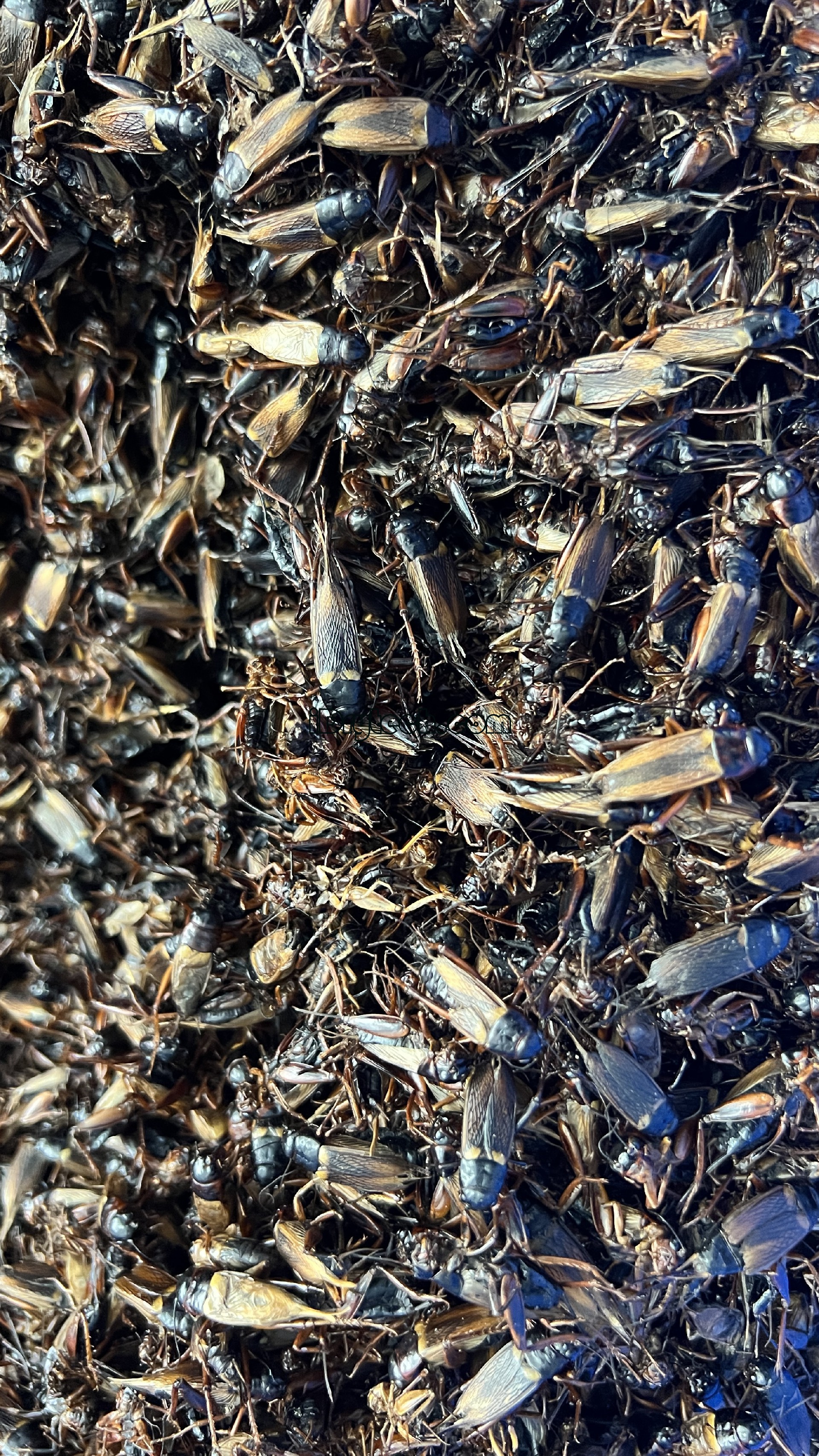
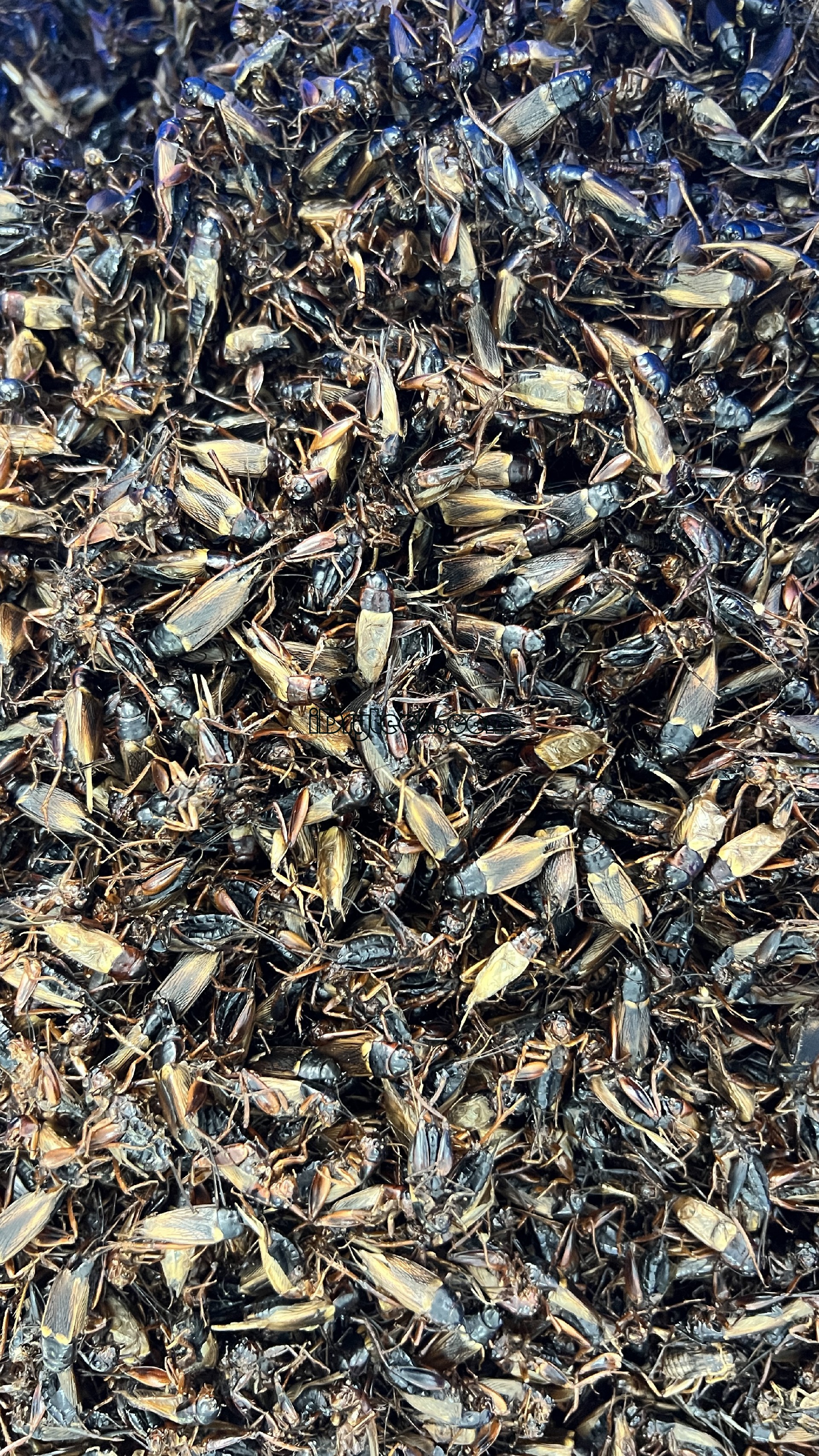
How to Drying Crickets?
Temperature: 60-65C
Time: 9hours
Working mode:
HDry: 2hours
Hdry+moist 7hours
Humidity: 15%